
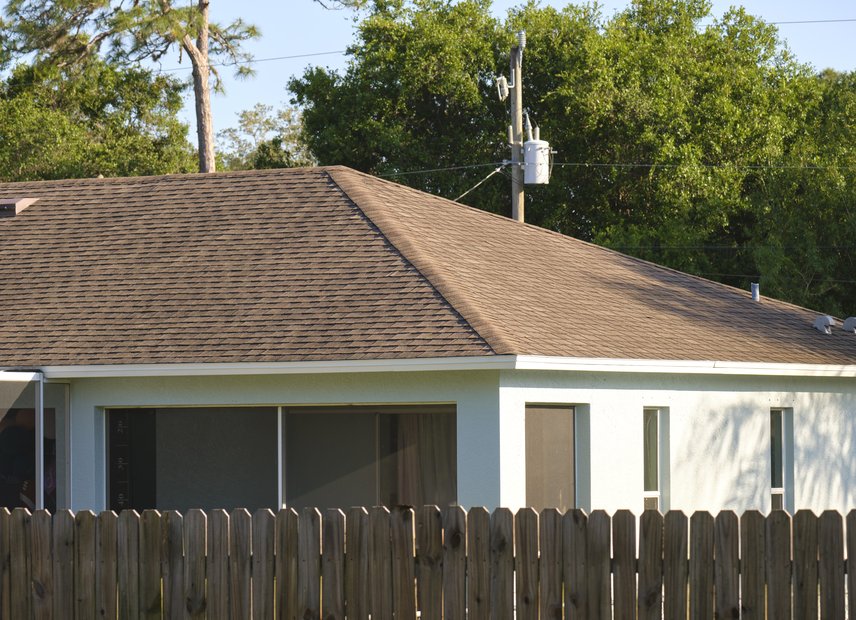
Hail claims are a normal part of owning a roof in Greenwood Village. NOAA's storm file for the Village includes 1.75 inch hail in July 2016, 2 inch and 2.75 inch stones on June 19, 2018, and repeat events in 2019 and 2024. Then came July 9, 2026, when hail up to 1.5 inches hit the Village and the Denver Tech Center directly, with 60 mph gusts behind it. If your roof predates that storm and nobody has looked at it since, that is the first thing to fix.
Colorado's consumer protections for roofing are specific. A contractor cannot pay, waive or rebate your deductible, and any contract that offers to is illegal. You also have the right to rescind a roofing contract within 72 hours of signing when a claim is involved. Companies that blow into the Village after a storm promising free roofs are describing insurance fraud with a smile. Our position is simple: the insurer pays the covered scope, you pay your deductible, and every dollar of it shows in the work.
Keep your own file too: photograph the yard hail against a coin or tape measure while the storm is fresh, note the date and time, and save any dented gutter or screen rather than discarding it. Small physical evidence like that has settled more than one dispute about which storm did the damage.
Hail claims on Village estates are their own discipline. Concrete tile can fracture on the strike face and hide the crack until the next freeze; clay can shatter outright; hand split shake bruises in ways a production adjuster can miss from a ladder. Our documentation on tile and shake roofs runs tile by tile where needed, because on a material where replacement cost runs high, one missed slope changes the claim by five figures. If a material switch enters the conversation, we manage the structural letter the city requires before a heavier roof goes on.
The storms that hail on Greenwood Village rarely arrive gently; the July 9, 2026 cell carried 60 mph gusts alongside its stones. Wind and hail damage are scoped differently, creased and lifted shingles versus impact bruising, and a claim written for only one can quietly leave the other unpaid. Our documentation separates the two on every slope: here is the hail field, here are the wind creases along the west exposure, photographed and labeled so the carrier's scope has to answer both. It is an easy distinction to miss from a ladder and an expensive one to discover after the settlement closes.
Most disputed claims are lost in the forty minutes the adjuster spends on the roof, not in the paperwork afterward. Adjusters are usually working a full storm queue, and a slope that does not get walked does not get paid. Our inspector meets yours on the roof with the photo file open: here are the strikes on the west slope, here is the cracked tile field, here is the collateral damage on vents and screens that corroborates the storm date. Most disagreements resolve on the spot, because two people looking at the same bruise rarely argue about whether it exists. When they do not resolve, the documented file is what supports a re-inspection request.
When hail hits, three things protect you: a baseline (photos of your roof before the storm, which every free inspection creates), speed (a dry-in before the next rain), and documentation the insurer cannot argue with. We provide all three. Skip the door knockers, keep your deductible intact, and call (720) 702-8770 for the inspection that settles it.
Tell us where the roof is and we will call you back the same business day. (720) 702-8770