On the east side of Greenwood Village the roofing question is rarely asphalt versus asphalt. It is tile versus cedar shake, the two materials that define the estate neighborhoods, and increasingly a third option that imitates both. Having repaired and replaced all of them here, this is the honest comparison.
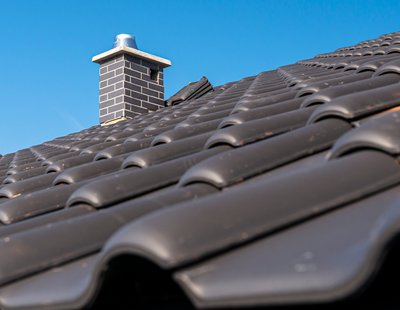
Concrete tile in this climate runs fifty years and more; clay can go longer. Cedar shake, well maintained, delivers thirty to forty. But tile's number hides a catch: the underlayment beneath the tile lasts twenty to thirty years, not fifty. Most 1980s and 1990s Village tile roofs that leak do not need new tile, they need the existing tile lifted, new underlayment installed, and the tile relaid. Budget for that restoration at the underlayment's schedule and tile's lifetime cost drops dramatically. Shake has no equivalent trick; when the wood is done, it is done.
Greenwood Village's hail record, 2.75 inch stones in 2018, 1.5 inch in July 2026, tests both materials differently. Concrete tile shrugs off stones that destroy asphalt, but big hail cracks tile, and cracked tile leaks into aging underlayment while looking fine from the driveway. Clay shatters more readily. Cedar shake absorbs small hail well, bruises under large stones, and its damage is genuinely hard to assess, easy for adjusters to miss and easy for storm chasers to overstate. Both materials demand specialist inspection after a storm; drive by verdicts are worthless on either.
Here is where 2026 reality bites. Wood roofs in a documented hail corridor draw surcharges from many carriers, and some decline them. Meanwhile Colorado law requires insurers to offer premium discounts for UL 2218 Class 4 roofs. Tile generally insures without the wood surcharge, and Class 4 rated coverings, including heavy designer asphalt and synthetic shake profiles that read as wood from the street, capture the discount. Run the twenty year math, premium spread plus maintenance plus replacement reserve, and the insurance line often decides the material before aesthetics get a vote.
The material conversation on Village estates increasingly ends in a third place. Polymer synthetic shake reproduces the shadow lines of hand split cedar, carries UL 2218 Class 4 ratings, weighs close enough to asphalt that the structural letter question usually disappears, and leaves the insurance surcharge behind. Heavy designer asphalt lines do a similar impersonation at a lower price with the same Class 4 availability. Neither fools a hand on the roof, but from the curb, which is where HOAs and appraisers stand, both read convincingly as wood. For homeowners replacing tired shake who want the look without the carrier fight, this is the quote worth seeing alongside the cedar number, and we bring both.
One more variable belongs in the comparison: resale optics. Appraisers and buyers in the estate neighborhoods read roof material as a proxy for how the whole house has been kept. A crisp tile field or fresh shake photographs like stewardship; a patched mismatch photographs like deferred maintenance. Whichever material wins your comparison, budget for doing it uniformly, because the roof is in every listing photo the house will ever have.
Keep sound tile and restore its underlayment. Maintain good shake if you love it and your carrier tolerates it. When replacement is genuinely due, quote the like for like against a Class 4 alternative with the insurance numbers on the table, and let the twenty year total decide. We will bring those numbers to your kitchen table; call (720) 702-8770.
Concrete tile fields last fifty plus years against thirty to forty for maintained shake, but tile underlayment needs replacement at twenty to thirty. A restored tile roof usually beats shake on lifetime cost.
Tell us where the roof is and we will call you back the same business day. (720) 702-8770