The Preserve is the city's largest luxury neighborhood, a gated community of more than 500 homes in Greenwood Village. The roofs here are estate scale: concrete and clay tile, cedar shake, and mixed premium systems with copper and steel metalwork that has to be done right. We roof throughout The Preserve, and we run every job the way a gated community expects it run. Here is what that looks like, and what the recent storm seasons mean for owners behind the gates.
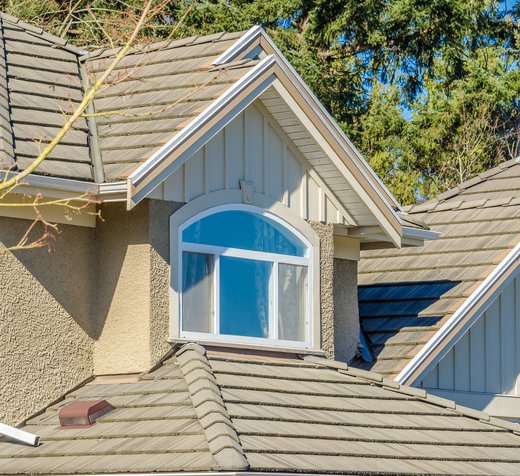
Homes in The Preserve were built as custom projects, and the roofs follow suit. Big footprints, steep planes, long hips and valleys, and materials chosen for looks as much as protection. We see concrete tile, clay tile, heavy cedar shake, and blended systems that pair tile or shake fields with copper valleys, standing seam accents, and custom flashing details.
The metalwork matters more than most owners realize. Valleys, crickets behind wide chimneys, saddle flashings, and transitions between materials are the points that fail first when a crew treats a premium roof like a production asphalt job. Our approach is simple. Slow down at every transition, fabricate metal to fit, and photograph the work as it goes in so you can see what sits under the finish surface.
Gated communities run on predictability, and so do we. On any gated job we schedule access in advance, give a firm arrival window, and keep the crew consistent day to day. Materials get staged in a planned spot on your property, and driveways stay passable.
Tear-off is the messy part of roofing, so we control it. Tarps over landscaping, a contained debris path to the trailer, magnet sweeps every evening, and a site that looks presentable when we leave each day. Work hours stay reasonable and the noise stays inside them. None of this is exotic. It is discipline, and it is why gated communities welcome a crew back.
Before any material change, check your covenants. Communities like The Preserve commonly have design review expectations for roofing color and profile, and approval there is separate from the city permit. We can supply samples and product documentation to make that review easier, but the covenant side is yours to confirm.
The city side is ours. Greenwood Village requires a permit for replacement of 100 square feet or more of roof covering, and applications must identify existing and proposed materials. The rule that catches estate owners: if the new material increases the roof dead load, the classic case being an asphalt to tile upgrade, the city requires a structural evaluation or truss verification letter sealed by a Colorado licensed design professional. Our guide to structural letters for roof material changes walks through the whole requirement. Budget time for it before you fall in love with a tile profile.
Greenwood Village has a real hail record: NOAA logs a 2.75 inch event on June 19, 2018, and on July 9, 2026 hail to 1.5 inch hit the Village directly, as reported, with gusts past 60 mph. Premium materials are not immune. Tile cracks and slips, shake splits, metalwork dents.
Two insurance realities matter in The Preserve. First, most policies on $1,000,000 plus homes carry a separate wind and hail deductible, often 1 to 5 percent of dwelling coverage, which on homes here typically means five figures out of pocket. Our guide to hail deductibles on high-value homes covers how to plan for that. Second, premium claims turn into matching fights when a tile or shake profile is discontinued; read up on the matching problem before accepting any settlement.
If your roof took the July storm, start with a free documented inspection. Contact us and we will photograph every slope, write it up, and tell you plainly whether a claim is worth filing. If the damage is real, our hail damage repair team handles the documentation with you.
Tell us where the roof is and we will call you back the same business day. (720) 702-8770