
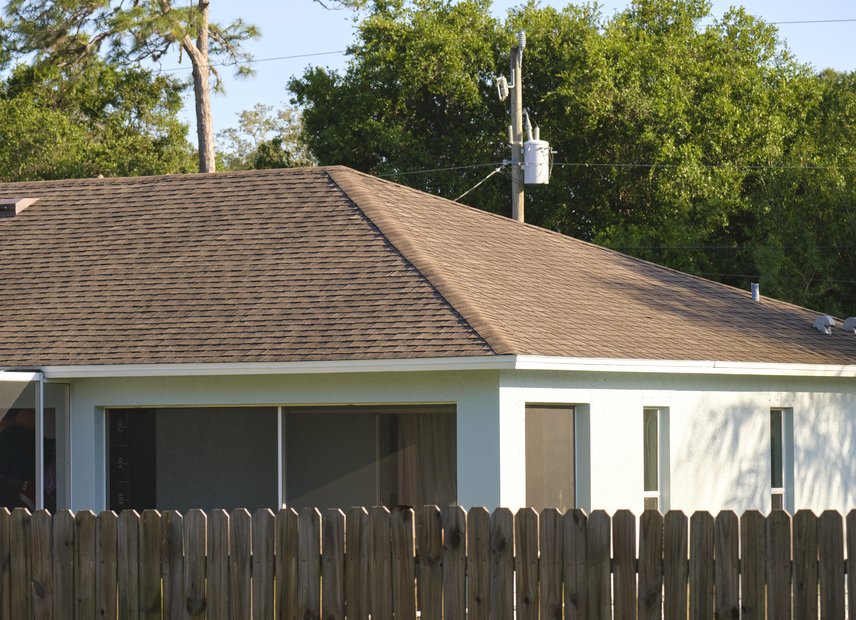
Most Greenwood Village homeowners discover their wind and hail deductible at the worst possible moment: standing in the driveway after a storm, reading the declarations page for the first time. On a $1,000,000-plus home, a percentage deductible turns into a five-figure number, and nobody at the closing table mentioned it. Here is how these deductibles work, why carriers moved to them, and what you can actually do about yours.
Colorado carriers commonly split wind and hail into its own deductible, separate from the flat amount that covers everything else. That deductible is typically either a flat $2,500 to $10,000 or a percentage of dwelling coverage, commonly 1 to 5 percent. The percentage version is where estate owners get surprised. On a home insured for $1,000,000, a 1 percent deductible is $10,000 or more, and 2 percent clears $20,000. Insure the dwelling for $1.5 million at 2 percent and you are past $30,000 before the carrier pays a dollar. Your declarations page states the exact structure, so check it rather than assume.
The Front Range is one of the most hail-battered corridors in the country, and roofs on high-value homes are expensive to replace. Flat deductibles stopped covering the carriers' exposure, so many moved wind and hail to percentage structures that scale with the home's insured value. The larger the dwelling coverage, the larger the deductible, automatically. It is not personal, just arithmetic on their side of the ledger. But it quietly shifts a meaningful slice of every storm back onto the homeowner, and the biggest homes carry the biggest slices.
The July 9, 2026 storm put hail to 1.5 inch on Greenwood Village and quarter-size hail across the DTC, with gusts over 60 mph, as reported. After an event like that, a percentage deductible works as a filter: repairs that total below the deductible are effectively self-insured. A $12,000 repair against a $20,000 deductible means there is no claim worth filing, and filing anyway can still land an entry in your claim history. That is why damage should be documented and priced before anyone calls a carrier; you want to know which side of your deductible the numbers fall on first. Our guide to tile roof hail claims shows how premium materials shift those numbers.
You have a few real levers. Some carriers sell deductible buy-back endorsements that reduce the wind and hail deductible in exchange for added premium; whether that trade works depends on your numbers, so price it against the risk instead of buying it on reflex. Class 4 impact-rated roofing commonly earns discounts of 15 to 35 percent of the relevant premium portion, though many carriers pair the discount with a cosmetic-damage exclusion, which can mean dented but functional roofing is not covered at all. Get any discount and its conditions in writing. And more durable materials reduce how often you face the deductible in the first place, which is the quietest saving of the three.
Tile and shake change the deductible math in both directions. Because premium roof repairs cost more, storm damage blows past a large deductible faster, which makes claims viable where an asphalt repair would have been self-insured. The same math means smaller repairs on premium roofs can still land under the deductible and come out of pocket at premium prices. Colorado's matching rule adds another layer when your material is discontinued; our matching rule guide covers it.
One rule is worth knowing cold: under Colorado's SB 38, a roofer paying, waiving, or rebating your deductible is illegal. Anyone offering to handle your deductible is proposing insurance fraud with your name on the claim.
If a storm has touched your roof, start with facts. We provide free documented inspections with a written photo report you can set against your deductible before deciding whether to file. Schedule an inspection, or visit our hail damage repair page.
Tell us where the roof is and we will call you back the same business day. (720) 702-8770